

Five Key Factors for Linear Actuator Selection
As a core component for linear motion in fields such as industrial automation and semiconductor manufacturing, the selection of an effective linear actuator directly affects the efficiency, stability, and service life of the equipment. The following five key points need to be focused on:
1. Clarify Load Requirements: Focus on static load (constant force under stationary conditions, such as the weight of equipment and workpieces) and dynamic load (instantaneous force, inertial force, etc, during movement, with a significantly higher peak value during acceleration, deceleration, or frequent start-stop), to ensure that the force requirements of the operation are met.
2. Precisely Control Motion Parameters: A safety margin should be reserved for the stroke to balance the demand and cost; the speed should be combined with the operation cycle requirements, avoiding excessive speed that may cause belt slipping and increased vibration; the acceleration should be selected according to the response requirements, while considering the additional impact of acceleration on the load and transmission system.
3. Match Precision Requirements: Positioning accuracy (deviation between the actual and commanded position of the actuator) and repeat positioning accuracy (consistency of position deviation after executing the same command multiple times) need to be adapted to the scenario. High-precision models are preferred for precision manufacturing and testing scenarios, while cost-effective models can be selected according to needs for ordinary handling and material conveying scenarios.
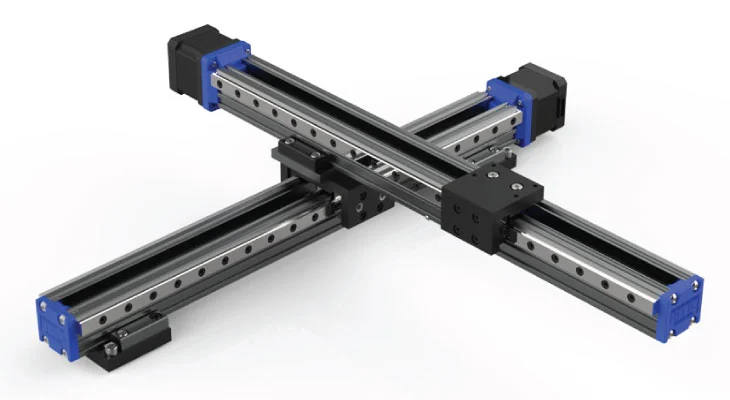
4. Adapt to Working Environment Conditions: Select the linear actuator type according to temperature, humidity, dust, corrosive media, and other factors. For high-temperature environments, choose a high-temperature-resistant linear actuator. For humid and dusty environments, prioritize models with sealed protection structures. For corrosive environments, use a corrosion-resistant linear actuator. For outdoor applications, consider additional protection, such as waterproofing and sun protection.
5. Comprehensively Evaluate Cost and Maintenance: The initial procurement cost should be in line with the budget, and low-energy consumption models are preferred to reduce long-term operating costs; select products with a reasonable structure that are easy to disassemble and maintain, and pay attention to the after-sales service and spare parts supply capacity of the supplier.
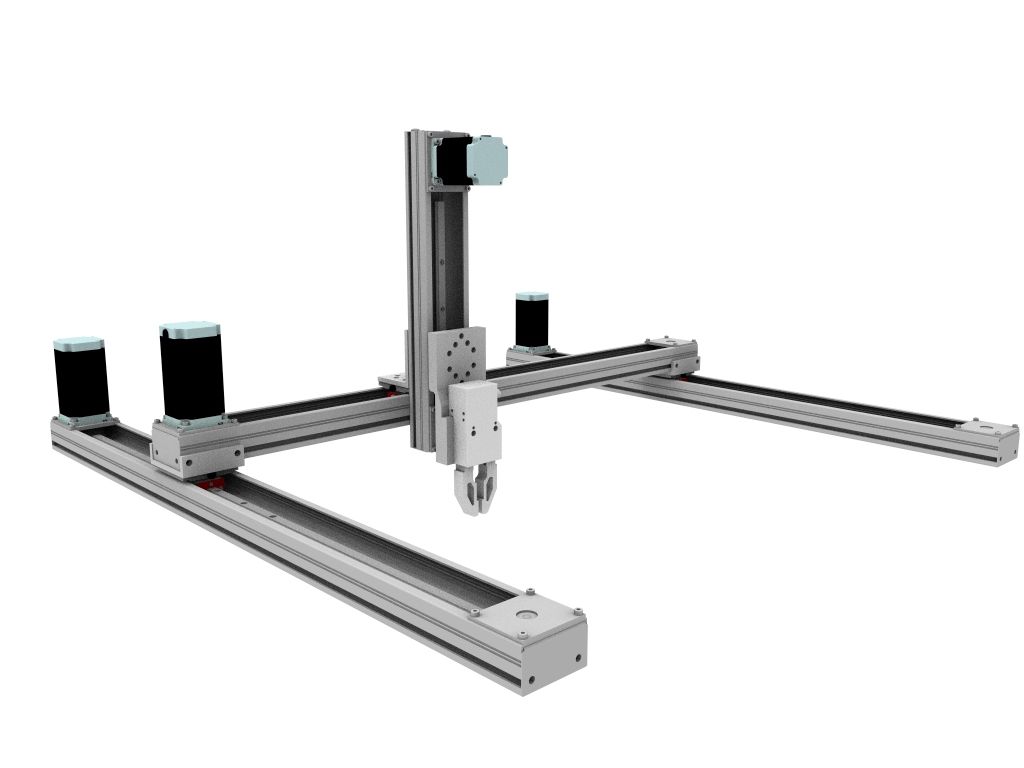
The selection of linear actuators needs to be considered systematically based on the above five factors. For further details, such as CAD drawings and product catalogs, please consult Hojama.