

What are the differences between linear guide rails and linear bearings?
Linear motion systems are vital for delivering accurate, manageable movement in a wide range of industrial uses across various sectors. Two key parts that power these systems are linear guides and linear bearings. Though both enable linear motion, they vary quite a bit when it comes to their design, how they work, and which applications they’re best suited for.
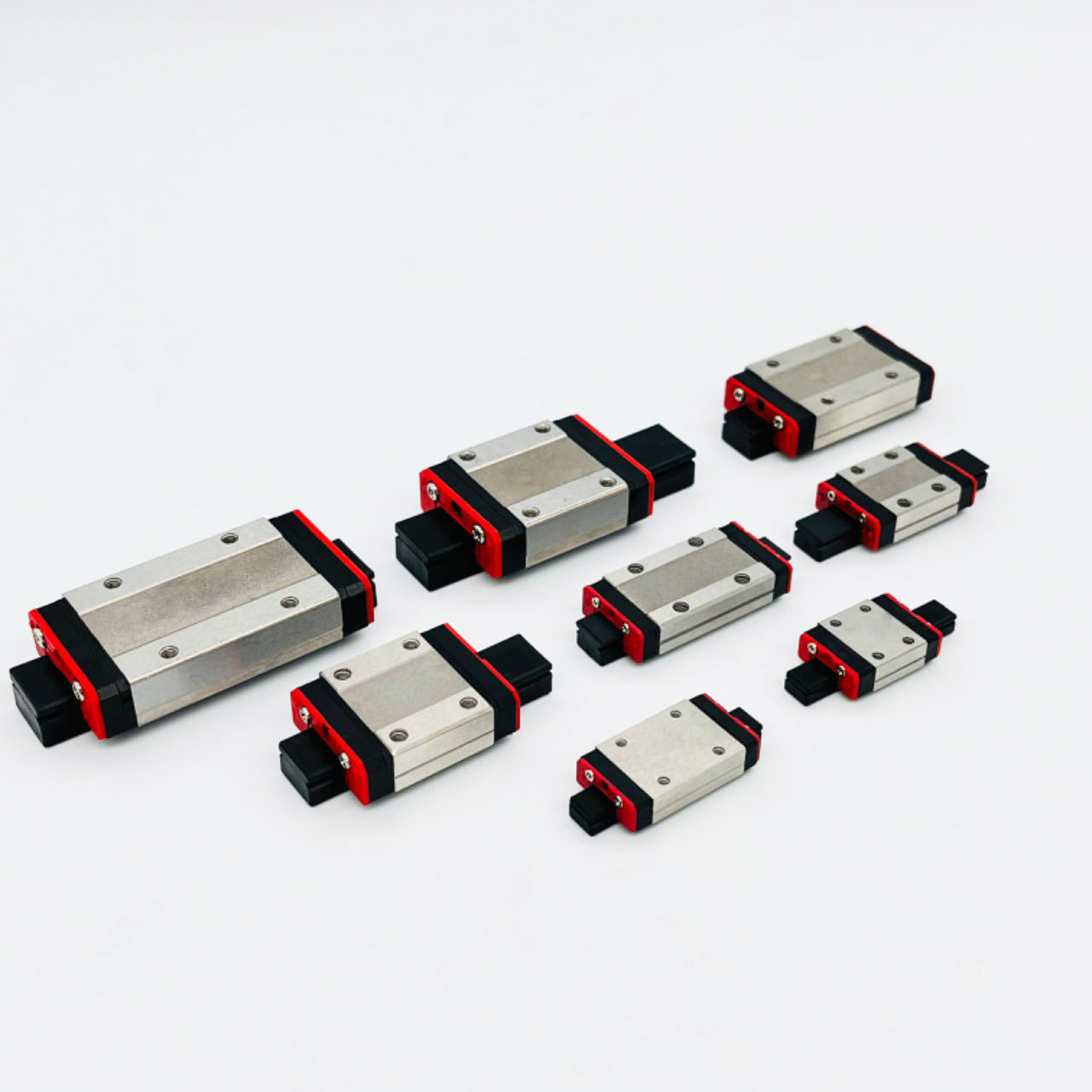
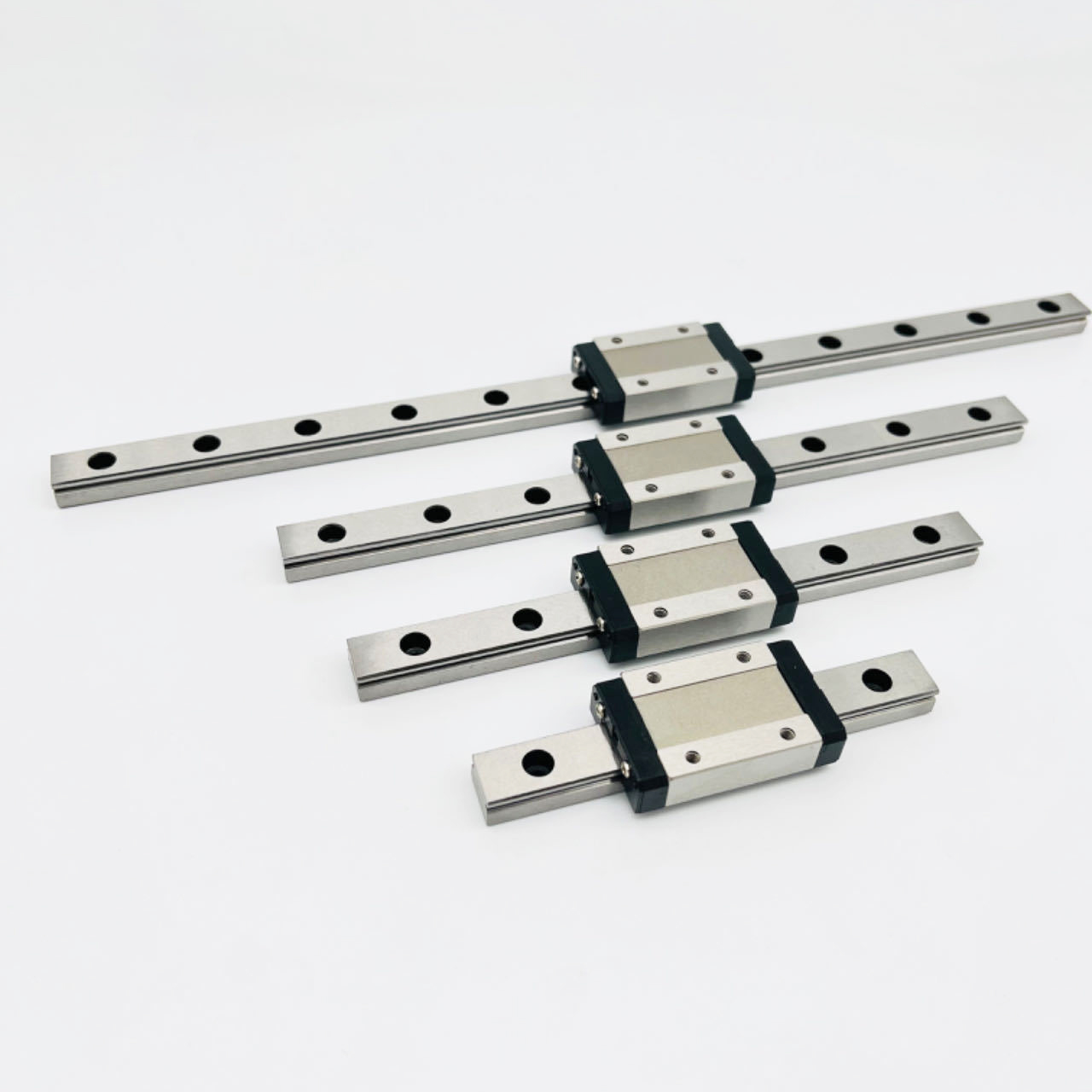
Linear guides, also referred to as linear guideways or linear rails, are advanced linear motion systems. They ensure smooth and high-precision motion during the operation of equipment. Our high-precision linear guideways adopt a slider-and-track structure and utilize rolling elements such as balls or rollers to reduce friction. Hojama’s high-precision linear guide systems are highly suitable for applications including industrial automation, semiconductor processing, and CNC machine tools.
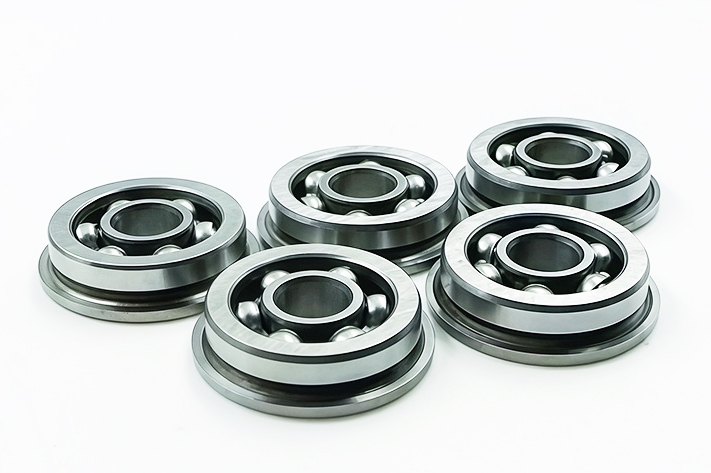
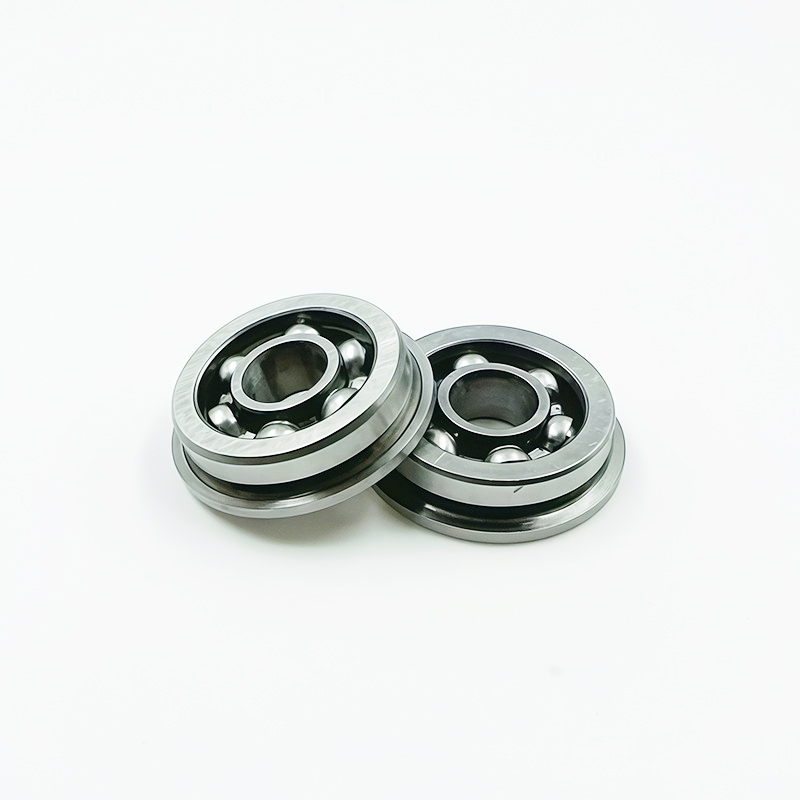
Linear bearings are mechanical components designed to facilitate smooth linear motion along a drive shaft or track while also minimizing friction during operation. Typically, these bearings comprise three key parts: an outer housing, an inner sleeve, and rolling elements. When compared with linear guides, linear bearings feature a more straightforward and compact structure—this characteristic makes them particularly well-suited for applications that demand precision, simplified installation, and low throughput. Such applications include conveyor systems, material handling equipment, and general automation systems.
Key Differences Between Linear Guides and Linear Bearings
1. Load Capacity and Structural Control
Linear guides and linear bearings exhibit distinct differences in their connection methods: linear guides rely on a larger contact area, whereas linear bearings adopt a point contact design. This fundamental difference in connection structure gives rise to variations in their load capacity and stiffness. Specifically, the point contact design inherent to linear bearings imposes certain limitations on their load-bearing strength and stiffness to a certain degree.
2. Precision
Owing to their robust structural design and minimal deformation characteristics, linear guides are capable of delivering high precision. This performance advantage makes them highly suitable for applications that demand accurate position control. By contrast, although linear bearings ensure smooth operation, their relatively lower precision means they are better suited for applications where precision requirements are not as stringent.
3. Motion Speed and Efficiency
Linear guides are characterized by their requirement for higher precision and stability, and linear bearings differ from them in two key aspects: they feature a simpler structure and exhibit lower rolling resistance. These two attributes collectively make linear bearings more suitable for high-speed operational scenarios and further position them as an ideal choice for applications that have a demand for rapid motion.
4. Environmental Adaptability
Linear bearings possess inherent resistance to contaminants such as dust and debris. In contrast, linear guides necessitate the implementation of specific measures to reduce the risk of contamination. For this reason, linear guides are most appropriately suited for environments that are clean and maintained under controlled conditions.
Hojama has focused on high-precision linear motion products for over a decade. If you require linear guides or linear bearings, Hojama can provide the best machining solutions for your equipment. Please contact us.