

What are the differences between reciprocating screws and lead screws?
Reciprocating screws and lead screws, used to convert rotary motion into linear motion, are crucial mechanical transmission components in industrial and precision equipment. There are some differences between a reciprocating screw and a lead screw as follows:
1. Screw Thread
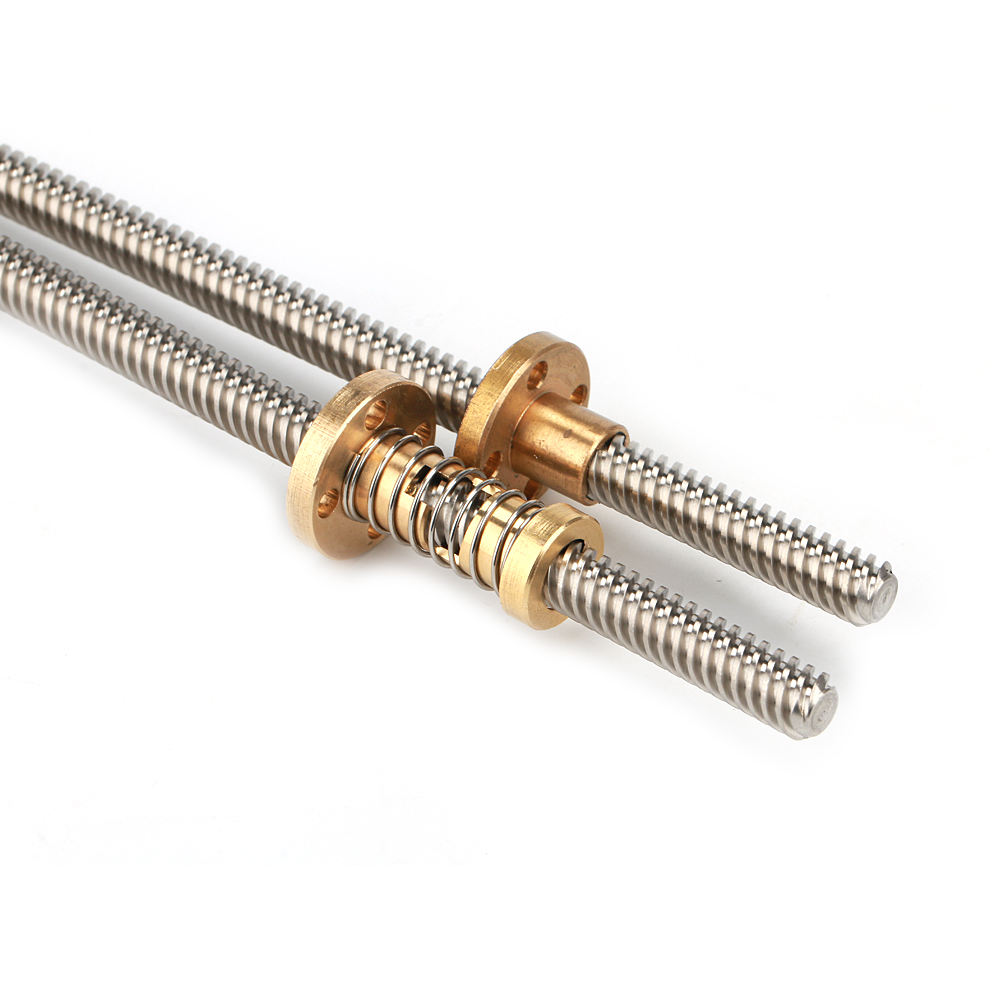
Reciprocating screws are usually designed with rectangular threads or custom-made threads. Their thread sides are straight up and down, forming a square-like cross-section that keeps the low contact friction. Lead screws are made with a trapezoidal thread design, and the thread sides are angled at 30 degrees. This special design helps distribute forces evenly, boosting load-bearing stability.
2. Working Principle
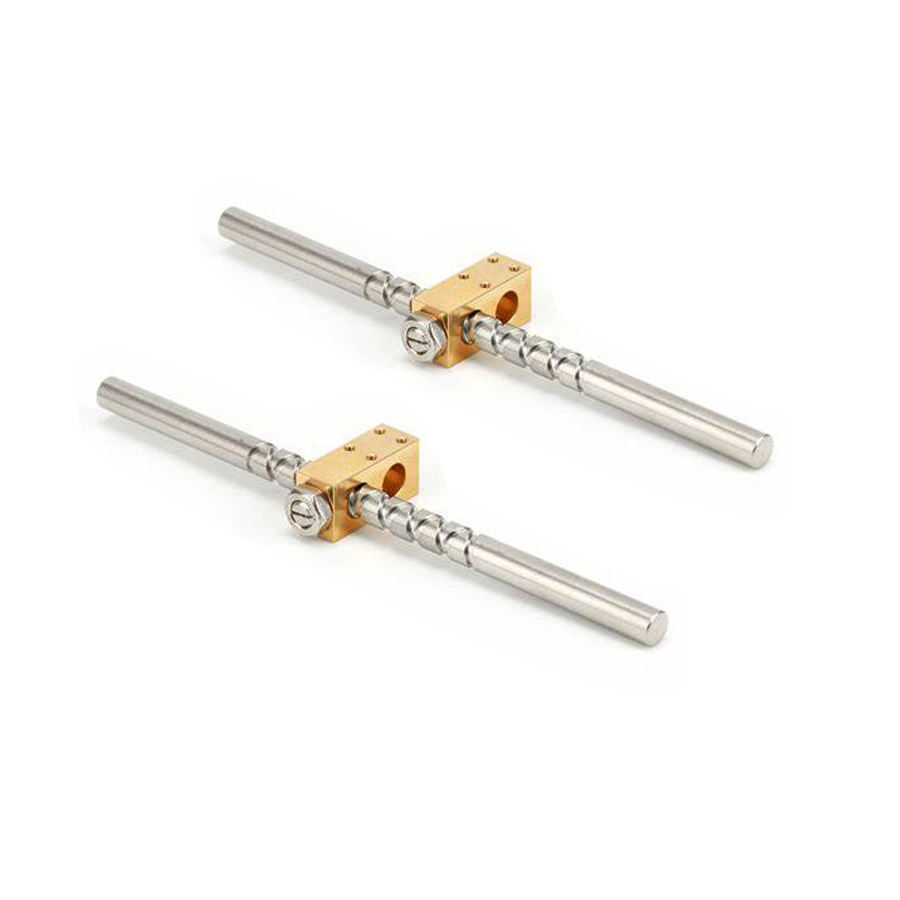
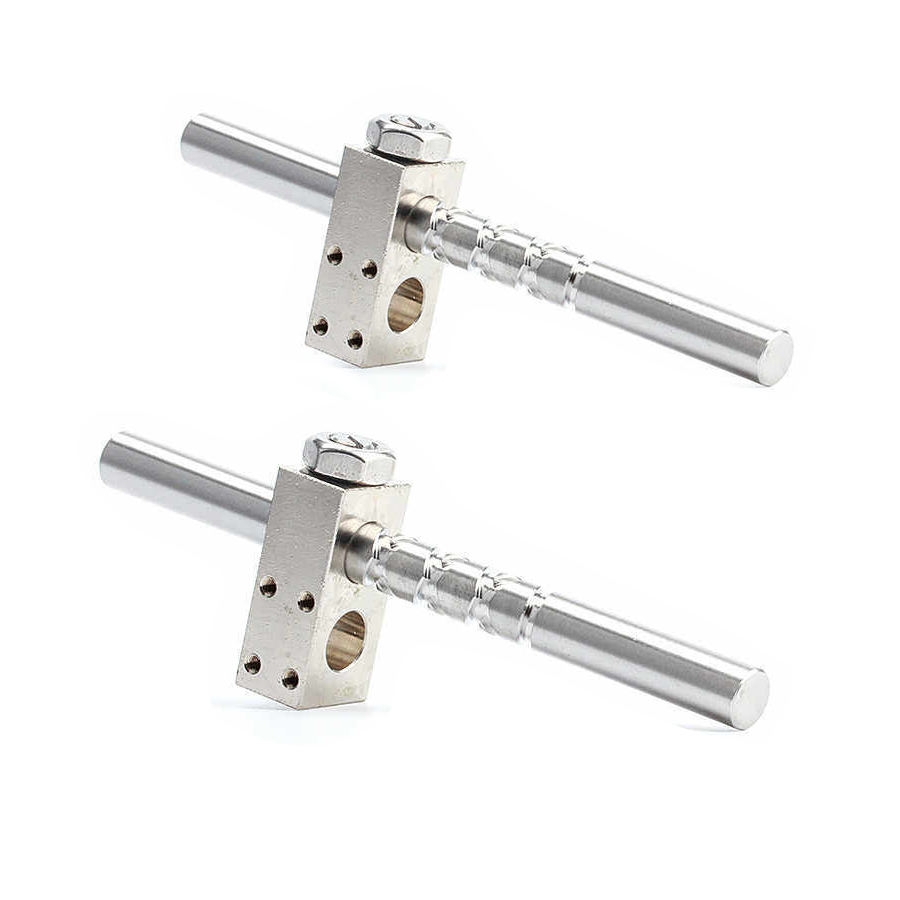
Reciprocating screws are built for two-way motion conversion—turning rotary motion into back-and-forth linear motion. Paired with a matching block nut that moves up and down the screw, they are perfect for those applications that need frequent direction changes. Lead screws focus on one-way linear motion. Their trapezoidal thread is designed to handle loads first, rather than prioritize high-speed back-and-forth movement.
3. Self-Locking Capability
Reciprocating screws typically don’t have built-in self-locking features. You’ll need extra braking mechanisms to prevent unintended reverse movement when the system is stopped. However, the trapezoidal lead screws have a strong self-locking ability because of high friction. They can maintain their position reliably without external brakes, making them ideal for applications that require stability.
4. Transmission Efficiency
Compared with the lead screws, the transmission efficiency of reciprocating screws is better. The minimal friction between the rectangular threads and the nut of reciprocating screws and nuts helps to waste less energy, ensuring efficient power transfer. Thanks to more friction in the trapezoidal thread interface, lead screws are less efficient. They are suitable for heavy-load uses in which the load capacity is more important than efficiency.
5. Precision Performance
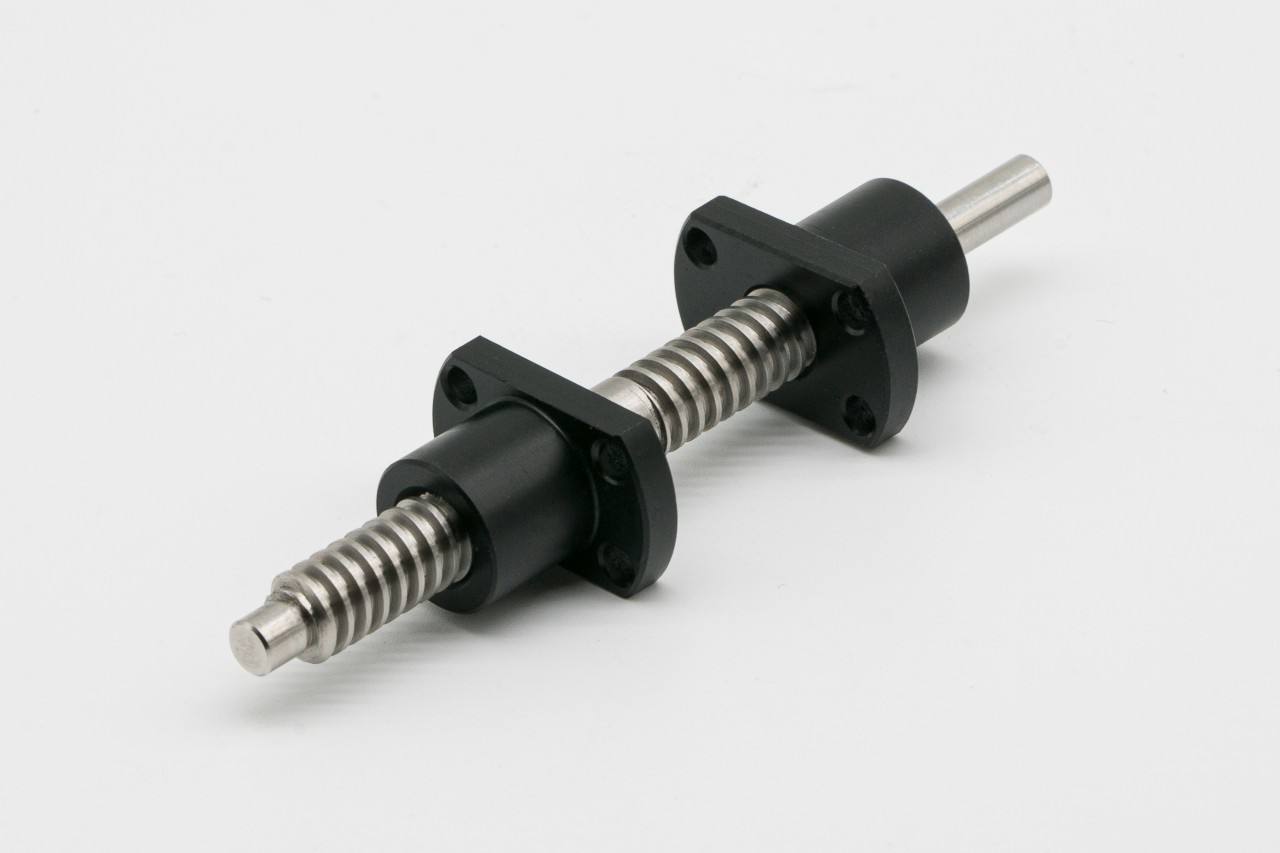
Due to their consistent thread shape and low friction, the reciprocating screws are fit for high-precision applications, such as precision instruments, automated machinery, and other equipment that requires accurate motion control. Lead screws offer moderate precision—though this can be improved with advanced machining. They’re commonly suitable for industrial machinery and heavy-duty equipment where extreme precision isn’t so important.
6. Load Capacity
Reciprocating screws are suitable for those applications that need light to medium loads. Their low-friction rectangular threads help to reduce the loss of energy, letting them run smoothly even at faster speeds. Lead screws are more engineered for heavy-load uses. The larger contact area of their trapezoidal thread spreads out loads effectively, supporting significant axial forces without weakening the structure.
The choice between a reciprocating screw and a lead screw depends on the balance of your performance priorities, whether you need high-speed back-and-forth movement, heavy-load support, or precise position control. Hojama is a professional manufacturer of high-precision linear motion products, including ball screws, lead screws, linear guides, linear modules, and ball splines. If you need more details or quotes, feel free to contact us anytime!